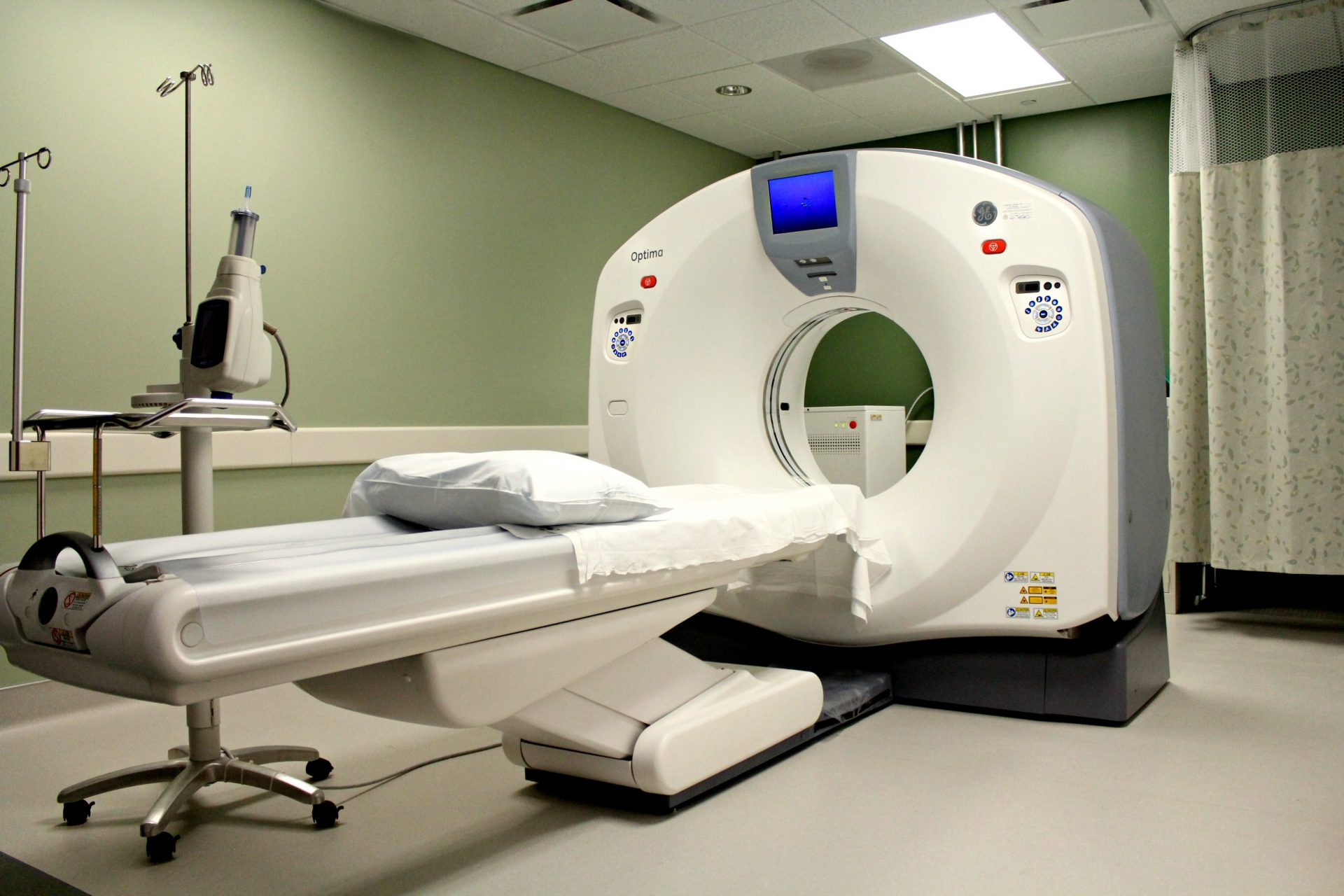
A diagnostic radiology expert witness brings specialized medical knowledge to these cases. Their role is not simply to review images and identify abnormalities. A qualified expert must be able to explain complex radiological findings clearly, evaluate the standard of care, and, when appropriate, offer an independent opinion about whether the interpretation of an imaging study was consistent with accepted medical practice.
What Is a Diagnostic Radiology Expert Witness?
A diagnostic radiology expert witness is a physician with specialized training and experience in interpreting medical imaging who provides professional opinions for a legal proceeding.
Depending on the circumstances, the expert may be asked to evaluate:
- Whether an imaging study was properly interpreted
- Whether an abnormality was visible on an earlier study
- Whether a radiologist reasonably should have identified a finding
- Whether a missed or delayed diagnosis affected the patient’s treatment
- Whether the radiology report accurately reflected the images
- Whether additional imaging or follow-up was indicated
- Whether the radiologist’s conduct met the applicable professional standard of care
The expert’s responsibility is to provide an independent, evidence-based opinion, rather than advocate for the party who retained them.
Reviewing the Medical Imaging
One of the most important aspects of the expert’s work is a detailed review of the actual imaging studies.
Medical records may contain a radiologist’s written report, but the images themselves can provide additional information. An expert may compare studies performed at different points in time to determine whether a finding was:
- Present but overlooked
- Subtle or difficult to detect
- Clearly visible
- New or progressive
- Misinterpreted
- Properly characterized at the time
For example, in a case involving a delayed cancer diagnosis, an expert may compare an earlier CT or MRI with subsequent imaging to determine whether a suspicious lesion was already present and whether it should reasonably have been recognized.
This type of retrospective analysis requires more than simply identifying the eventual diagnosis. The expert must consider what could reasonably have been known from the information available at the time of the original interpretation.
Evaluating the Standard of Care
A diagnostic radiology expert witness may also be asked to address whether the radiologist’s interpretation met the applicable standard of care.
This can involve examining the circumstances surrounding the imaging study, including:
- The patient’s clinical history available to the radiologist
- The indication for the examination
- The imaging technique and quality
- The findings visible on the study
- The radiologist’s interpretation
- Relevant comparison studies
- Recommendations for additional imaging or follow-up
- The timing of reporting and communication
Importantly, the expert generally should not judge a prior radiologist solely with the benefit of hindsight. Medical decisions must be evaluated in the context of the information reasonably available when the decision was made.
Explaining Complex Findings Clearly
Radiology involves highly technical concepts that may be difficult for attorneys, judges, and jurors to understand. One of the most valuable qualities of an expert witness is therefore the ability to translate technical medical information into understandable language.
An effective expert can explain, for example, why a particular finding was significant, what it looked like on an imaging study, and why a reasonably careful radiologist would—or would not—have been expected to recognize it.
The ability to communicate is particularly important during deposition and trial. A technically sophisticated physician who cannot explain their conclusions clearly may be less effective than an expert who can present complicated information in a logical and accessible manner. Diagnostic radiology expert witness.
Correlating Imaging With the Clinical Picture
Radiological interpretation does not occur in isolation. The clinical information provided with an imaging study can influence how a radiologist interprets the findings.
An expert may therefore examine the relationship between:
- Symptoms
- Physical examination findings
- Laboratory results
- The reason for ordering the imaging study
- Prior diagnoses
- Previous imaging
- The radiologist’s findings and recommendations
- Subsequent clinical developments
This broader review can help determine whether an imaging finding was reasonably identifiable given both the image itself and the clinical information available at the time.
Assessing Missed and Delayed Diagnoses
Missed findings and delayed diagnoses are common issues in cases involving radiology experts.
A retrospective review may ask an important question: Was the finding actually detectable at the time of the original examination?
The answer is not always obvious. Some abnormalities are conspicuous in retrospect but extremely subtle on the original study. Others may be obscured by technical limitations, overlapping anatomy, motion, or the characteristics of the disease itself.
A thorough expert analysis should distinguish between an actual departure from reasonable radiological practice and a diagnostic outcome that was difficult to avoid.
The Importance of Qualifications
The credibility of a diagnostic radiology expert depends substantially on their qualifications and relevant experience.
Attorneys evaluating a potential expert may consider:
- Medical education and residency training
- Board certification
- Fellowship training
- Years of clinical practice
- Current or recent radiology practice
- Subspecialty expertise
- Experience with the particular imaging modality involved
- Academic appointments
- Publications and research
- Prior testimony and litigation experience
Relevant experience matters. An expert who routinely interprets the same types of studies involved in a case may be particularly well positioned to address the issues presented.
Independence and Objectivity
Perhaps the most important characteristic of a medical expert witness is credibility.
An expert should be willing to acknowledge both strengths and weaknesses in the case. If the imaging does not support a proposed conclusion, the expert should say so. Similarly, when the evidence strongly supports an opinion, the expert should be able to explain the basis for that conclusion.
An expert who appears to simply advocate for the retaining party can face significant credibility challenges. Courts and juries are generally better served by an expert whose opinions are grounded in medical evidence rather than litigation objectives. Diagnostic radiology expert witness.
Written Reports and Depositions
Depending on the proceeding and applicable rules, a diagnostic radiology expert may prepare a written report explaining their opinions and the reasoning behind them.
A strong report should connect the medical evidence to the expert’s conclusions. Rather than merely stating that an interpretation was incorrect, the report should explain what was visible, why it mattered, what a reasonably careful radiologist would have been expected to do, and how the expert reached that conclusion.
The expert may subsequently be questioned during a deposition. During deposition, opposing counsel may explore the expert’s qualifications, methodology, opinions, publications, prior testimony, compensation, and the factual basis for their conclusions.
Trial Testimony
If the matter proceeds to trial, the expert may testify before a judge or jury.
Effective testimony typically combines medical expertise with clear communication. The expert may use imaging studies, diagrams, timelines, or other demonstrative materials to help explain the relevant findings.
The objective is not to overwhelm the jury with technical terminology. It is to provide a scientifically and medically sound explanation that allows non-specialists to understand the significance of the evidence.
Choosing the Right Expert
Selecting a diagnostic radiology expert witness should involve more than searching for a physician with impressive credentials. The expert should have experience that closely matches the issues in the case.
For example, a case involving an allegedly missed pulmonary nodule may benefit from an expert with substantial experience in chest imaging, while a case involving an MRI interpretation of a spinal injury may call for expertise in neuroradiology or musculoskeletal imaging, depending on the issues.
The expert’s clinical experience, communication skills, independence, and familiarity with the relevant imaging modality can all affect the strength of the testimony.
Conclusion
A diagnostic radiology expert witness serves as a bridge between complex medical evidence and the legal decision-making process. Through careful examination of imaging studies, medical records, clinical circumstances, and accepted radiological practices, the expert can help determine whether an imaging interpretation was reasonable and whether the evidence supports the opinions being presented.
The strongest radiology experts combine clinical expertise, analytical rigor, objectivity, and the ability to communicate complicated findings in plain language. In litigation involving diagnostic imaging, those qualities can make an important difference in helping attorneys, courts, and juries understand what the medical evidence actually shows.