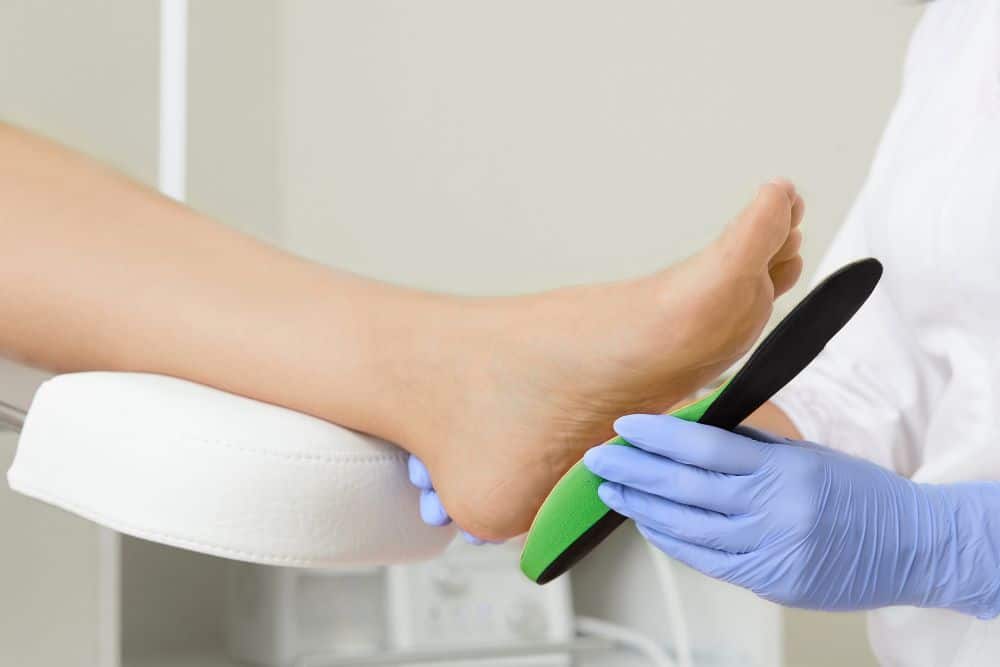
In legal cases involving foot, ankle, and lower extremity conditions, a podiatry expert witness plays a critical role in helping courts, attorneys, and juries understand complex medical issues. These professionals bring specialized knowledge and clinical experience to legal proceedings, offering objective opinions on standards of care, causation, diagnosis, treatment, and long-term outcomes.
Whether a case involves medical malpractice, personal injury, workers’ compensation, or product liability, a qualified podiatry expert witness can provide clarity on issues that would otherwise be difficult for non-medical professionals to evaluate.
What Is a Podiatry Expert Witness?
A podiatry expert witness is a licensed podiatric physician or surgeon who uses their expertise to analyze medical records, assess treatment decisions, and provide professional opinions in legal matters. Their primary responsibility is to assist the court by presenting unbiased, evidence-based conclusions within their area of specialization.
Unlike treating physicians, expert witnesses are not involved in the patient’s care. Instead, they review available evidence and evaluate whether the medical management aligns with accepted professional standards.
Key Responsibilities of a Podiatry Expert Witness
1. Medical Record Review
One of the most important functions of a podiatry expert witness is conducting a comprehensive review of medical documentation. This may include:
- Clinical notes
- Diagnostic imaging
- Surgical reports
- Laboratory results
- Rehabilitation records
- Independent medical examinations
The expert carefully analyzes these materials to identify relevant facts and determine whether appropriate care was provided.
2. Establishing the Standard of Care
In medical malpractice cases, determining the applicable standard of care is often central to the dispute. A podiatry expert witness evaluates whether a healthcare provider acted in a manner consistent with what a reasonably competent podiatrist would have done under similar circumstances.
This assessment may involve reviewing:
- Diagnostic procedures
- Treatment plans
- Surgical techniques
- Postoperative management
- Follow-up care
3. Assessing Causation
A critical aspect of expert testimony is determining causation. The expert must evaluate whether a patient’s injury, complication, or adverse outcome was directly related to the actions or omissions of a healthcare provider.
For example, a podiatry expert witness may be asked to determine whether:
- A delayed diagnosis worsened a condition
- A surgical error caused permanent impairment
- Improper wound care led to infection
- An untreated fracture resulted in long-term disability
4. Providing Written Expert Reports
Many legal proceedings require detailed written reports outlining the expert’s findings and opinions. These reports typically include:
- Summary of reviewed materials
- Medical analysis
- Relevant standards of care
- Opinions on causation
- Conclusions supported by medical literature and evidence
A well-prepared report can significantly influence case strategy and settlement discussions.
5. Deposition and Trial Testimony
Expert witnesses are often called upon to provide testimony during depositions and court proceedings. Their role is to explain medical concepts in clear, understandable language while maintaining scientific accuracy.
Effective testimony requires the ability to:
- Communicate complex medical information clearly
- Remain objective under questioning
- Defend opinions with evidence
- Address cross-examination professionally
Types of Cases Involving Podiatry Expert Witnesses
Medical Malpractice
Medical malpractice claims frequently involve allegations of:
- Misdiagnosis or delayed diagnosis
- Surgical complications
- Improper treatment planning
- Failure to obtain informed consent
- Negligent postoperative care
A podiatry expert witness evaluates whether accepted medical standards were followed and whether any deviations contributed to patient harm.
Personal Injury Litigation
Foot and ankle injuries are common in personal injury cases arising from:
- Motor vehicle accidents
- Slip-and-fall incidents
- Workplace accidents
- Sports injuries
The expert may assess injury severity, treatment necessity, future medical needs, and permanent impairment.
Workers’ Compensation Claims
In workers’ compensation matters, podiatry experts may determine:
- Whether an injury is work-related
- The extent of disability
- Appropriate treatment recommendations
- Return-to-work capabilities
Product Liability Cases
Defective footwear, orthotic devices, medical implants, or surgical instruments may lead to product liability litigation. Podiatry experts help evaluate whether a product contributed to injury or treatment failure.
Essential Qualifications of a Podiatry Expert Witness
Clinical Experience
Extensive clinical experience is one of the most valuable qualifications. Experts with years of patient care experience can provide practical insights based on real-world medical decision-making.
Board Certification
Board certification demonstrates advanced knowledge and professional competence within the field of podiatric medicine and surgery.
Academic and Professional Involvement
Many highly regarded expert witnesses are actively involved in:
- Medical education
- Research
- Professional organizations
- Continuing medical education programs
These activities help ensure their knowledge remains current and evidence-based.
Strong Communication Skills
Medical expertise alone is not sufficient. Expert witnesses must be able to explain technical concepts in a manner that judges and jurors can easily understand.
Characteristics of an Effective Podiatry Expert Witness
Objectivity
The most respected experts maintain complete neutrality. Their opinions should be based solely on facts, medical evidence, and accepted professional standards.
Credibility
Courts place significant weight on experts who demonstrate honesty, consistency, and professionalism. Credibility is built through qualifications, experience, and adherence to ethical principles.
Attention to Detail
Legal cases often hinge on subtle details within medical records and timelines. A thorough and meticulous review process is essential.
Evidence-Based Analysis
Reliable expert opinions should be supported by:
- Clinical guidelines
- Peer-reviewed literature
- Established medical practices
- Relevant scientific research
Challenges Faced by Podiatry Expert Witnesses
Serving as an expert witness requires balancing medical knowledge with legal expectations. Challenges may include:
- Reviewing large volumes of medical records
- Explaining complex issues to non-medical audiences
- Remaining impartial despite adversarial proceedings
- Defending opinions during rigorous cross-examination
Successfully navigating these challenges requires preparation, expertise, and professional integrity.
The Value of Expert Testimony in Podiatric Cases
Expert testimony often serves as the bridge between medicine and law. By providing informed, objective opinions, podiatry expert witnesses help legal decision-makers understand whether medical care met professional standards and how specific actions may have influenced patient outcomes.
Their contributions can be instrumental in promoting fair resolutions, supporting informed legal decisions, and ensuring that complex medical evidence is accurately interpreted.
Conclusion
A podiatry expert witness provides specialized knowledge that is essential in cases involving foot and ankle injuries, podiatric treatment, and lower extremity disorders. Through detailed medical record review, standard-of-care analysis, causation assessments, and courtroom testimony, these professionals help courts navigate highly technical medical issues.
The most effective podiatry expert witnesses combine extensive clinical experience, strong communication skills, and unwavering objectivity. Their expertise not only strengthens the legal process but also helps ensure that decisions are grounded in sound medical evidence and professional standards.