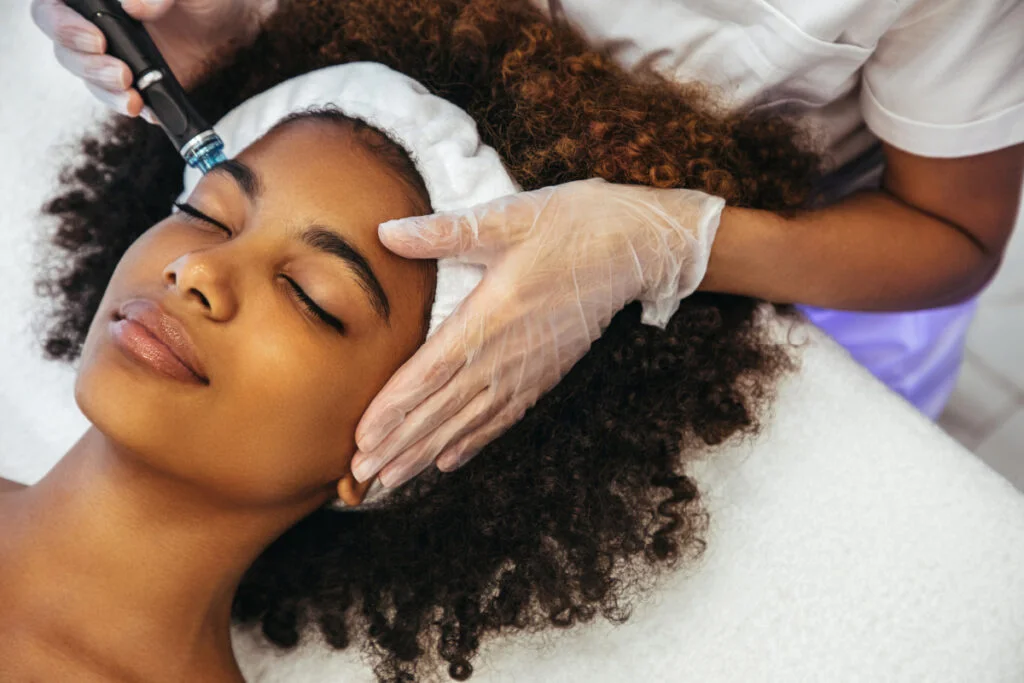
Medical spas, commonly known as med spas, operate at the intersection of healthcare, aesthetics, and business. Treatments such as injectables, laser procedures, body contouring, and other cosmetic services can involve significant medical judgment and potential risks. When a dispute, malpractice claim, licensing matter, or other legal proceeding arises, a med spa expert witness can provide specialized knowledge to help explain the relevant clinical and professional issues.
What Is a Med Spa Expert Witness?
A med spa expert witness is a qualified professional with relevant experience in medical aesthetics and med spa operations who provides independent, specialized opinions in a legal matter.
Depending on the case, the expert may be a physician, nurse practitioner, physician assistant, registered nurse, aesthetic practitioner, or another appropriately qualified professional. The expert’s qualifications should correspond to the specific issues involved in the case.
The expert’s role is not to advocate for either side. Instead, the expert generally helps the court, attorneys, or other decision-makers understand technical issues that fall outside ordinary knowledge.
Key Aspects of a Med Spa Expert Witness
1. Clinical and Treatment Knowledge
A med spa expert should have a strong understanding of the procedures and treatments commonly performed in aesthetic practices.
This can include:
-
Botox and other neuromodulators
-
Dermal fillers
-
Laser and light-based treatments
-
Chemical peels
-
Microneedling
-
Body-contouring procedures
-
Skin-rejuvenation treatments
-
Platelet-rich plasma and other regenerative aesthetic procedures
-
Pre-treatment and post-treatment care
An expert may be asked to determine whether a particular treatment was consistent with accepted professional practices based on the facts and standards applicable to the case.
2. Understanding of the Standard of Care
One of the most important aspects of an expert’s work can be evaluating the standard of care.
For example, an expert may review whether a practitioner appropriately:
-
Evaluated the patient before treatment
-
Obtained an appropriate medical history
-
Identified contraindications
-
Explained material risks
-
Obtained informed consent
-
Selected an appropriate treatment
-
Used appropriate equipment and techniques
-
Monitored the patient
-
Responded appropriately to complications
-
Provided appropriate follow-up instructions
The applicable standard can vary depending on the procedure, jurisdiction, practitioner, and circumstances, so an expert should avoid applying a generalized standard without considering the facts of the case.
3. Complications and Adverse Events
A knowledgeable med spa expert should understand both expected side effects and potentially serious complications.
For example, complications associated with certain aesthetic procedures can include infection, burns, scarring, vascular complications, allergic reactions, tissue injury, or other adverse outcomes.
An expert may be asked to distinguish between:
-
A known complication that can occur despite appropriate care
-
A complication caused or contributed to by improper technique
-
A failure to recognize or treat a complication
-
An outcome that may be unrelated to the treatment
This distinction can be particularly important in litigation.
4. Informed Consent
Consent is another important area an expert may evaluate.
The expert can review whether the patient’s records document an appropriate discussion of the procedure, potential risks, alternatives, expected results, and relevant aftercare.
The expert should distinguish between whether a consent discussion occurred and whether the legal requirements for informed consent were satisfied, because the latter may depend on applicable state law and legal standards.
5. Documentation and Medical Records
Med spa cases frequently involve review of clinical documentation.
An expert may examine:
-
Initial consultation records
-
Medical histories
-
Treatment notes
-
Consent forms
-
Medication records
-
Product information
-
Injection maps
-
Photographs
-
Follow-up documentation
-
Adverse-event reports
-
Communications with the patient
Incomplete or inconsistent documentation can become an important issue in a case. However, an expert should generally distinguish what the records affirmatively establish from what cannot be determined from the documentation.
6. Med Spa Policies and Procedures
A med spa expert may also evaluate operational policies and procedures.
This could include policies concerning:
-
Patient screening
-
Treatment protocols
-
Emergency procedures
-
Infection control
-
Equipment maintenance
-
Medication storage
-
Staff training
-
Supervision and delegation
-
Patient follow-up
-
Incident reporting
Whether a particular policy was legally required, professionally recommended, or simply an internal business practice can depend on the circumstances and applicable regulations.
7. Scope of Practice and Delegation
Scope-of-practice issues can be particularly important in med spa litigation.
A case may involve questions about which professionals were permitted to perform particular procedures, what supervision was required, or whether tasks were appropriately delegated.
These questions can depend heavily on state-specific laws and regulations. An expert should therefore identify the applicable jurisdiction and time period rather than assuming that rules governing one state apply elsewhere.
8. Reviewing the Qualifications of the Provider
The expert may evaluate the education, training, certification, and experience of the practitioner involved in a treatment.
Relevant information may include:
-
Professional licensure
-
Formal education
-
Specialized aesthetic training
-
Continuing education
-
Procedure-specific training
-
Experience with the treatment involved
-
Employer training
-
Competency assessments
The significance of these qualifications depends on the particular procedure and legal issues involved.
9. Causation
In some cases, the expert may also be asked to address causation.
For example, the expert may analyze whether the alleged injury is medically consistent with the procedure and whether other potential causes should be considered.
A careful expert should separate:
-
What happened medically,
-
What the records demonstrate,
-
What causal conclusions can reasonably be supported, and
-
What conclusions require legal rather than medical determination.
10. Expert Reports and Testimony
A med spa expert may be involved in several stages of litigation.
The work can include:
-
Reviewing medical records
-
Reviewing photographs and treatment documentation
-
Reviewing deposition testimony
-
Researching relevant professional literature
-
Preparing an expert report
-
Consulting with attorneys
-
Providing deposition testimony
-
Testifying at trial
-
Explaining technical concepts to a judge or jury
An effective expert should be able to communicate complicated medical and aesthetic concepts in language that a non-medical audience can understand.
What Makes a Strong Med Spa Expert Witness?
Beyond clinical knowledge, several professional qualities are important.
Relevant Experience
The expert should have meaningful experience with the treatment, technology, or clinical setting at issue.
Independence
An expert’s credibility depends in part on providing opinions based on the evidence rather than simply adopting the position of the party who retained them.
Clear Communication
Medical terminology can be difficult for jurors and attorneys to understand. A strong expert can explain technical subjects accurately without unnecessarily complicated language.
Thorough Record Review
Opinions should be grounded in the available evidence. The expert should identify important limitations when records are incomplete or conflicting.
Knowledge of the Applicable Rules
Because med spa regulation varies considerably by jurisdiction, the expert should understand the distinction between clinical standards, professional guidelines, facility policies, and actual legal requirements.
The Importance of a Med Spa Expert Witness
As aesthetic medicine continues to evolve, legal disputes involving med spas can require specialized knowledge that goes beyond traditional medical or business expertise. A qualified expert can help translate treatment techniques, clinical decision-making, documentation, complications, and professional practices into information that can be evaluated in a legal proceeding.
Ultimately, the value of a med spa expert witness lies in qualified, evidence-based, clearly explained opinions that assist the fact-finder without replacing the court’s role in deciding the legal issues.
Final Thoughts
A med spa expert witness may play an important role in cases involving cosmetic procedures, patient injuries, professional negligence, informed consent, scope of practice, supervision, documentation, and regulatory compliance. Because these matters can combine medical, aesthetic, operational, and legal considerations, selecting an expert with experience directly relevant to the issues in dispute is particularly important.