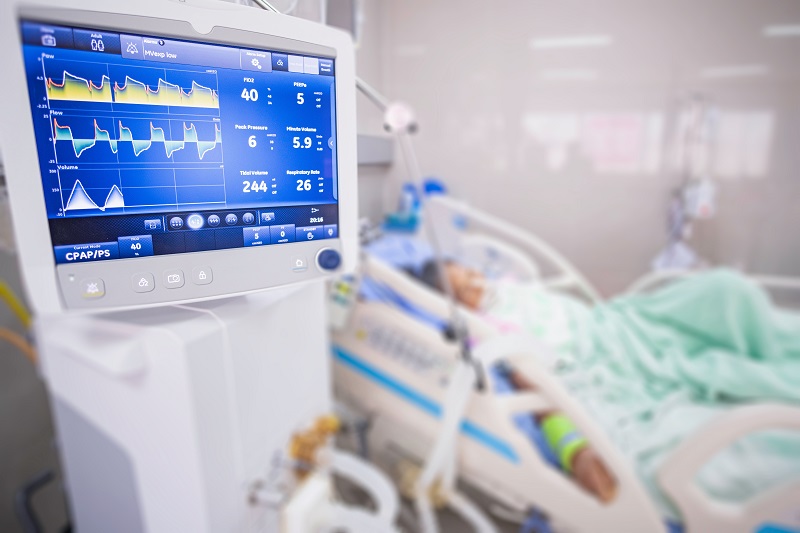
In modern healthcare litigation, few roles demand as much precision, clarity, and credibility as that of a critical care physician serving as an expert witness. These professionals operate at the intersection of medicine and law, translating complex clinical realities into understandable, objective insights for courts, attorneys, and juries. Their work can significantly influence the outcome of high-stakes cases involving life-and-death decisions. Critical Care Physician Expert Witness.
What Is a Critical Care Physician Expert Witness?
A critical care physician expert witness is a board-certified specialist in intensive care medicine who provides professional opinions in legal cases. These cases often involve allegations of medical malpractice, wrongful death, or disputes over standards of care in intensive care units (ICUs). Because critical care medicine deals with the sickest patients—those requiring ventilators, vasopressors, or continuous monitoring—the margin for error is narrow, and scrutiny is high.
Core Responsibilities
1. Case Review and Analysis
The foundation of expert witness work is a thorough review of medical records, including ICU notes, lab results, imaging, and medication logs. The physician must reconstruct the clinical timeline and assess whether the care provided met accepted medical standards.
2. Establishing Standard of Care
One of the most important contributions is defining what a reasonably competent critical care physician would have done under similar circumstances. This involves not only clinical knowledge but also familiarity with evolving guidelines and real-world ICU constraints.
3. Identifying Deviations and Causation
If a deviation from the standard of care is identified, the expert must determine whether it directly caused harm. This step requires careful reasoning—distinguishing between unavoidable complications and preventable errors.
4. Report Writing
Expert reports must be clear, structured, and defensible. They often become central documents in litigation, summarizing findings and opinions in a way that non-medical professionals can understand.
5. Depositions and Trial Testimony
An expert witness must communicate effectively under pressure. During depositions and courtroom testimony, they are expected to explain complex physiology, defend their opinions, and remain composed during cross-examination.
Essential Skills and Qualities
Clinical Expertise
Deep, current knowledge of critical care medicine is non-negotiable. This includes experience managing sepsis, respiratory failure, multi-organ dysfunction, and end-of-life care.
Objectivity and Integrity
Credibility is everything. A strong expert witness provides unbiased opinions, regardless of which side has retained them. Courts value honesty over advocacy.
Communication Skills
The ability to simplify complex medical concepts without losing accuracy is crucial. Jurors may have no medical background, so clarity can determine how testimony is received.
Attention to Detail
Small details—such as timing of interventions or subtle changes in vital signs—can significantly impact conclusions about care quality.
Resilience Under Scrutiny
Legal proceedings can be adversarial. Expert witnesses must remain calm, professional, and consistent even when challenged aggressively.
Challenges in the Role
Serving as an expert witness is not without difficulties. Medical records may be incomplete or ambiguous. Hindsight bias can influence how decisions are judged. Additionally, balancing clinical practice with legal work can be time-intensive.
There is also an ethical dimension: physicians must ensure their testimony reflects genuine medical judgment, not the interests of the retaining party. Failure to maintain this balance can damage both professional reputation and legal outcomes.
Why This Role Matters
Critical care cases often involve severe outcomes—permanent disability or death. Expert witnesses help ensure that these cases are evaluated fairly, based on medical reality rather than speculation. Their input supports accountability while also protecting clinicians from unjust claims when care was appropriate.
Final Thoughts
The role of a critical care physician expert witness demands more than medical knowledge—it requires analytical rigor, ethical discipline, and the ability to bridge two very different worlds. When done well, it contributes not only to individual cases but also to broader standards of care, reinforcing trust in both the healthcare and legal systems.